
As we navigate the mid-2020s, the design world is witnessing a seismic shift from the clinical perfection of the digital age toward something more primal, more permanent. In 2026, the home is no longer just a space; it is a root system. The trend of Earth-Rooted Design has emerged as the definitive aesthetic for those seeking to reconnect with the physical world.
The Rise of Regenerative Aesthetics
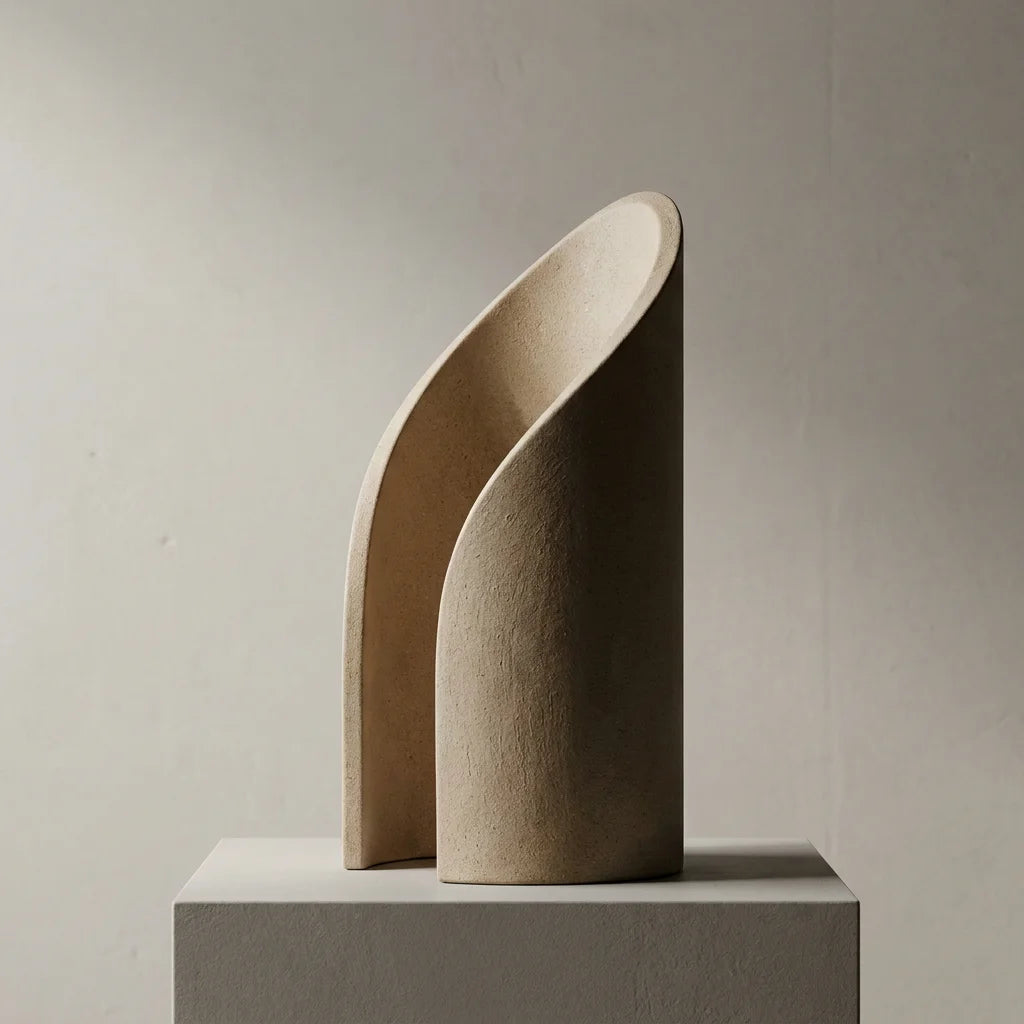
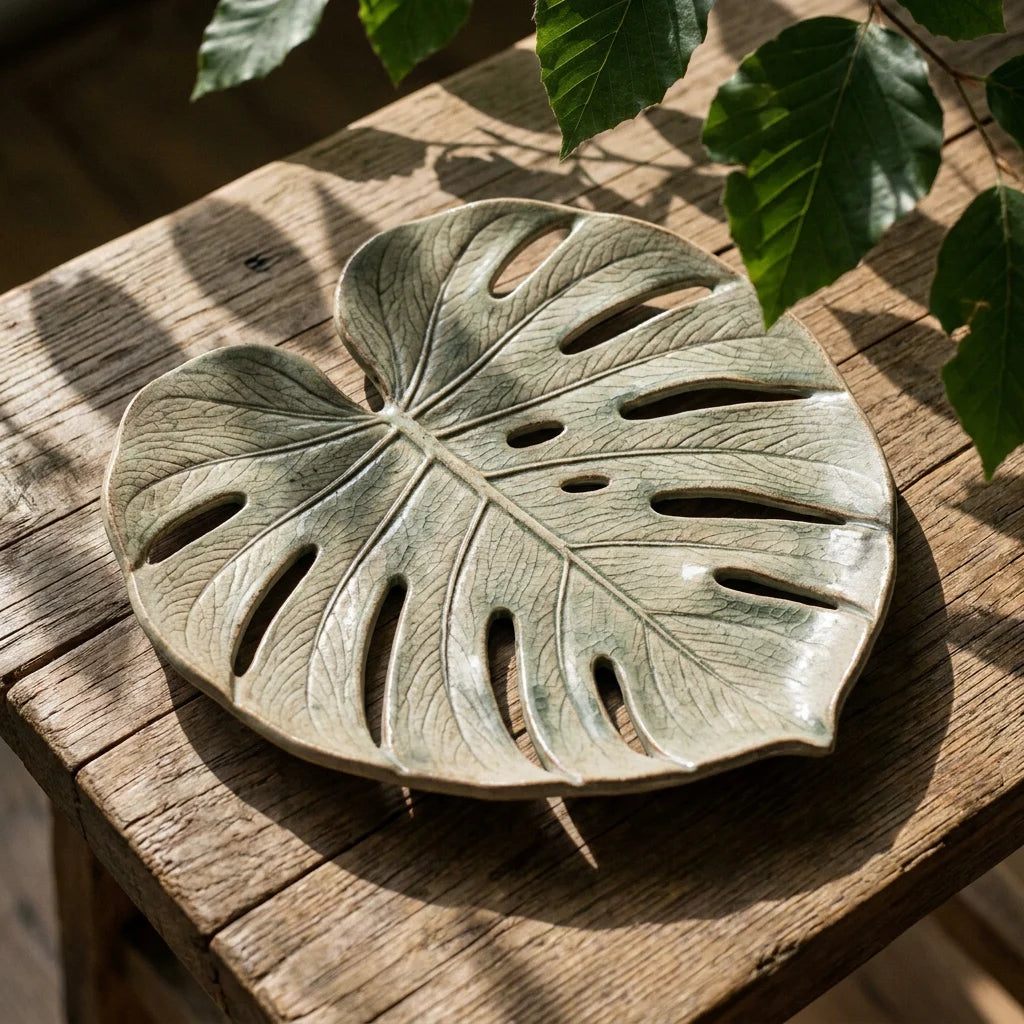
As predicted in recent reports by Vogue and Architectural Digest, the 'Lived-in Interior' is evolving. We are moving past the 'warm minimalism' of previous years into Regenerative Aesthetics. This movement prioritizes materials that tell a story of their origin—materials like the 1300°C high-fired stoneware found in the Borealforest kilns. These objects aren't manufactured; they are forged by earth and fire, carrying a Tactile Longevity that digital replicas can never simulate.
Why Raw Texture Matters for Mental Wellness
In a world of glass screens and synthetic surfaces, our hands are starving for reality. 'Tactile Hunger' is a documented phenomenon in 2026, where the lack of physical variety in our environment leads to sensory dullness. Bringing raw-textured ceramics into your daily ritual—feeling the grain of the clay against your palm as you hold your morning tea—acts as an immediate grounding mechanism. It is, quite literally, a sensory anchor.
Styling the Earth-Rooted Sanctuary
To achieve this look, layer different depths of earth tones—sand, clay, and deep forest green. Our Autumn Ridge Handmade Vase serves as the perfect centerpiece for this aesthetic, its unrefined surface catching the dancing shadows of the golden hour. Complement it with the biological curves of the Branch Hand Handmade Sculpture to create a space that feels grown, not bought.
Explore our previous deep dive into The Botanical Revival to see how these textures pair with biophilic elements.