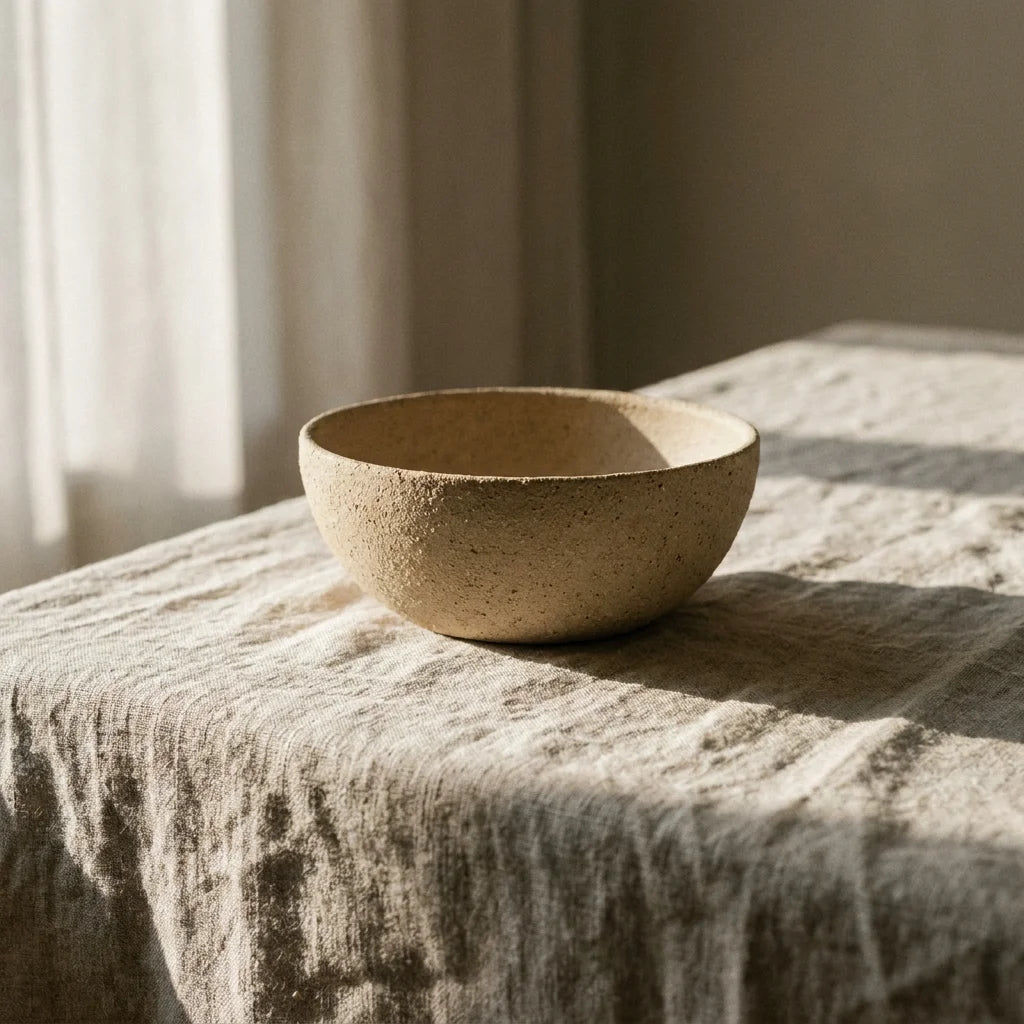

By mid-2026, the global design conversation has completely moved away from cold, polished steel shelves and mass-produced units. We are witnessing a profound architectural shift: the move toward Slate Stratums. This movement is defined by the strategic introduction of layered natural slate shelving and floating stone displays into our home environments.
Section 1: From "Furniture" to "Strata"—The Psychology of Weight
In evolutionary psychology, our spatial preferences are deeply tied to our nesting instincts. For millions of years, human shelter was defined by caves and stone recesses. This is what architectural psychologists call "Prospect and Refuge" theory. Recessed niches, particularly those lined with rough-cut layered slate, provide a profound sense of security. They cradle our curated objects, shielding them from the chaotic visual noise of the modern home. The slate stratum behaves as a miniature sanctuary, giving each object a permanent, quiet harbor.
Section 2: Layered Slate—Filtering Light and Sound
High-density geological materials like slate, when paired with unglazed clay plaster, are highly efficient acoustic dampeners. When sound waves hit these porous, mineral surfaces, they enter microscopic channels where they are converted into thermal energy through viscous friction. This dampens the loud, echoing clatter of daily objects, creating what we call a "Silent Sanctuary." Furthermore, unlike flat, reflective paints, unglazed clay and coarse stone behave as diffuse optical absorbers. They absorb harsh glare, creating soft shadow gradients that soothe our visual systems.
Section 3: Reclaiming Tactile Friction in Daily Displays
For the remote professional in 2026, the ultimate sensory deficit is the lack of physical friction. We swipe across flat glass screens and tap on synthetic plastic. This frictionless existence has left our skin's mechanoreceptors dormant, leading to "tactile fatigue." Our hands crave friction, resistance, and temperature variations. Low-fired, unglazed ceramic vessels and raw slate ledges are highly responsive thermal and tactile interfaces. Touching a warm stone shelf or the sand-grained grit of a clay vessel establishes a somatic feedback loop that grounds your nervous system.
Section 4: The Neuro-Aesthetics of Geological Textures
Geological textures are inherently fractal—possessing self-similar patterns at different scales. Neuroscientific studies show that processing fractal geometry requires less neural effort, allowing our brains to enter a relaxed, meditative state. By surrounding ourselves with raw, earth-rooted materials, we trigger cortisol suppression. Scent, touch, and low-frequency colors work in perfect harmony to soothe our over-stimulated minds.
Section 5: Curating Your Slate Sanctuary
- Architectural Framing: Embed thick slabs of raw slate directly into your plaster walls to create "Geological Windows" for your collection.
- The Material Dialogue: Place our Solfatara Vases on these ledges to highlight the shared 1300°C mineral heritage.
- Thermal Continuity: Mirror the slate used in your Monolithic Basin in your shelving to create a unified material narrative across the home.
Conclusion: Investing in Permanent Value
The 2026 home is a collection of permanent artifacts. By choosing raw, earth-born materials like slate and unglazed clay, you are rejecting the obsolescence of trends. You are building a home that breathes, protects, and persists. Explore the Studio Archive and bring the ancient peace of the forest home.