
Introduction
In a world dominated by mass production and digital everything, there’s something profoundly satisfying about holding a handmade pottery piece—an object shaped by human hands, imbued with unique character, and carrying the story of its maker. Handmade pottery is more than just clay fired in a kiln; it’s a timeless art form that blends creativity, tradition, and functionality into beautiful, one-of-a-kind works.
Whether you’re a curious beginner eager to try your hand at pottery, a collector searching for authentic ceramic art, or someone who appreciates the rustic charm of artisan-made home decor, this comprehensive guide will take you through everything you need to know about handmade pottery. From understanding different types of clay and techniques to exploring creative project ideas and tips for choosing the perfect piece, this article is your go-to resource for all things handmade pottery.
What Is Handmade Pottery?

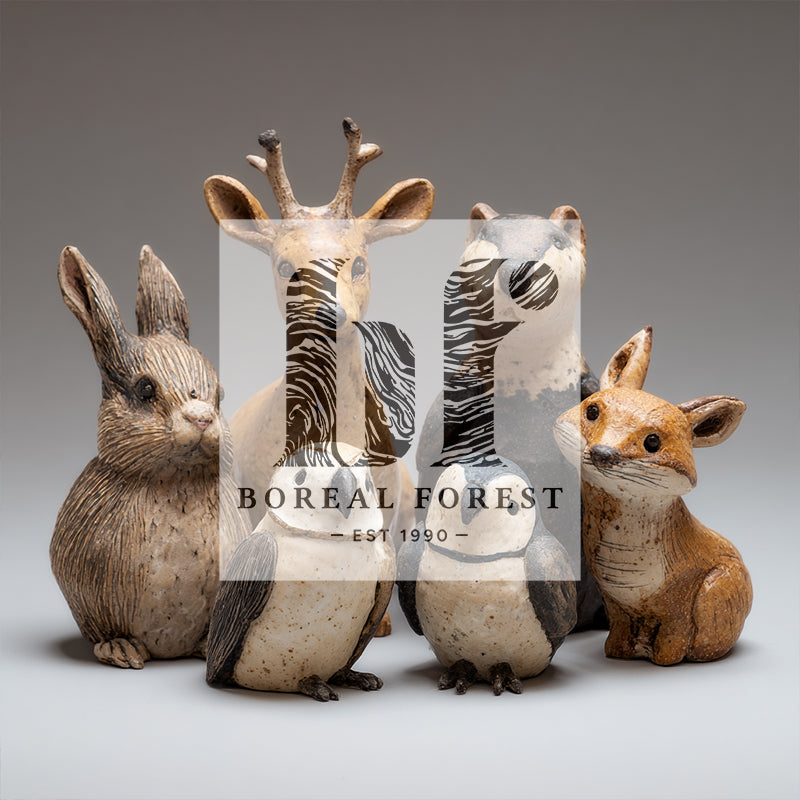
Handmade pottery refers to ceramic items crafted manually without relying extensively on automated machinery. This process involves shaping clay by hand or with simple tools, then firing it in a kiln to create durable, functional, or decorative objects such as bowls, mugs, vases, planters, and sculptures.
Unlike factory-made ceramics, each handmade pottery piece carries subtle imperfections and unique textures that highlight the artist’s personal touch and skill. The charm of handmade pottery lies in its individuality—no two pieces are exactly the same.
Types of Handmade Pottery Clay
Understanding the different types of clay used in handmade pottery is essential for appreciating the craft and selecting the right piece or material for your project.
1. Earthenware
- Description: One of the oldest and most common pottery types, earthenware is made from porous clay fired at low temperatures (1,000°C to 1,150°C).
- Characteristics: Soft, porous, often red, brown, or orange due to iron content.
- Uses: Dishes, pots, decorative items.
- Pros: Easy to work with, rustic charm.
- Cons: Less durable, requires glazing to hold liquids.
2. Stoneware
- Description: Made from denser clay with stone fragments, fired at higher temperatures (1,150°C to 1,300°C).
- Characteristics: Hard, non-porous, durable, heat-retentive, typically gray, brown, or off-white.
- Uses: Everyday dishes, mugs, cookware.
- Pros: Durable, chip-resistant, microwave and dishwasher safe.
- Cons: Slightly more challenging to work with than earthenware.
3. Porcelain
- Description: Made from refined kaolin clay, fired at very high temperatures (1,300°C+).
- Characteristics: White, translucent, smooth, delicate yet strong.
- Uses: Fine dinnerware, art pieces.
- Pros: Elegant, durable, smooth finish.
- Cons: Expensive, requires skill and specialized firing.
4. Raku
- Description: A Japanese pottery style involving rapid cooling after firing at low to medium temperatures.
- Characteristics: Crackled, uneven surfaces with vibrant colors.
- Uses: Decorative tea bowls, art pieces.
- Pros: Unique aesthetic, artistic expression.
- Cons: Fragile, not typically functional.
5. Sgraffito
- Description: Technique where designs are scratched through a colored slip to reveal the clay beneath.
- Uses: Decorative bowls, plates.
- Pros: Intricate, artistic patterns.
- Cons: Labor-intensive.
Handmade Pottery Techniques
Crafting handmade pottery can be achieved through various traditional and modern techniques:
Hand-Building
- Coiling: Rolling clay into long coils and stacking them to build forms.
- Slab Building: Rolling out flat slabs and joining them to create shapes.
- Pinching: Using fingers to pinch and shape clay, ideal for small bowls or pots.
- Molding: Pressing clay into molds for consistent shapes.
Wheel Throwing
- Using a potter’s wheel to shape clay symmetrically by spinning it while molding with hands.
- Allows for smooth, rounded forms like bowls, mugs, and vases.
- Requires practice to master centering and wall pulling.
Carving and Engraving
- Adding texture and patterns by carving into leather-hard clay.
- Enhances visual interest and tactile appeal.
Glazing and Decoration
- Applying glass-like coatings to pottery for color, shine, and waterproofing.
- Techniques include dipping, brushing, spraying.
- Underglazes and inlays add decorative patterns.
Creative Handmade Pottery Ideas to Inspire You
Whether you’re a beginner or seasoned potter, handmade pottery offers endless creative possibilities. Here are some inspiring project ideas:
1. Textured Pinch Pots with Natural Impressions
- Use leaves, lace, or shells to imprint organic textures.
- Perfect for small planters or jewelry holders.
2. Wheel-Thrown Nesting Bowls
- Practice consistency by crafting bowls that nest inside each other.
- Functional and beautiful for kitchen use.
3. Sculptural Face Planters
- Hand-build planters with expressive faces.
- Plants become “hair,” adding personality.
4. Coiled Vases with Organic Shapes
- Experiment with flowing, asymmetrical forms.
- Celebrate visible coil textures or smooth finishes.
5. Minimalist Candle Holders
- Create geometric or organic shapes with cutouts for light play.
- Combine function with modern aesthetics.
6. Whimsical Animal Planters
- Pinch pot techniques to create playful animal shapes.
- Great for succulents and small houseplants.
7. Handmade Trinket Dishes
- Small, simple dishes perfect for rings and tiny treasures.
- Add subtle textures or glazes for elegance.
How to Choose Handmade Pottery: A Buyer’s Guide
Selecting the perfect handmade pottery piece involves balancing aesthetics, function, and craftsmanship. Here’s what to consider:
Purpose and Function
- Functional Use: Bowls, mugs, plates need durability, food-safe glazes, and comfortable design.
- Decorative Use: Vases, sculptures, wall art prioritize form and style over durability.
Style and Aesthetic
- Traditional vs. modern, rustic vs. sleek.
- Choose pieces that complement your home decor and personal taste.
Materials and Glazing
- Know the clay type: earthenware for rustic charm, stoneware for durability, porcelain for elegance.
- Ensure glazes are non-toxic and food-safe if pottery will contact food or drink.
Craftsmanship and Technique
- Look for even glazing, smooth finishes, and solid construction.
- Imperfections can indicate authenticity but avoid cracks or weak points.
Artist Connection
- Learn about the potter’s inspiration and process.
- Buying directly supports artisans and adds meaning to your purchase.
Price and Budget
- Handmade pottery often costs more due to labor and skill.
- Consider it an investment in unique, lasting art.
Care and Maintenance
- Check if the pottery is microwave, oven, or dishwasher safe.
- Understand cleaning instructions to preserve the glaze and structure.
Caring for Your Handmade Pottery
Proper care ensures your handmade pottery lasts for years:
- Cleaning: Use mild detergent and soft sponges. Avoid abrasive scrubbers.
- Temperature: Avoid sudden temperature changes to prevent cracking.
- Storage: Store carefully to prevent chipping.
- Repairs: Minor chips can sometimes be fixed with food-safe adhesives.
Educational and Community Benefits of Handmade Pottery
Learning Pottery in Schools
Programs like the Illinois State Museum’s hand-molded pottery activities teach students traditional techniques and cultural history, fostering creativity and appreciation for artisanal crafts.
Community Connection
Pottery classes and workshops offer relaxing, social environments where participants learn skills, reduce stress, and create meaningful art.
Frequently Asked Questions (FAQs)
Q1: What are the benefits of handmade clay pottery?
A1: Unique, personal, made from natural materials with excellent air permeability, multifunctional, and timelessly beautiful.
Q2: Is handmade clay pottery safe to use?
A2: Yes, when made with food-safe glazes and fired properly. Always verify glaze safety for cooking or serving.
Q3: Can I make pottery at home without a kiln?
A3: Air-dry clays allow for non-functional pieces, but firing in a kiln is necessary for durable, functional pottery.
Q4: How do I care for handmade pottery?
A4: Gentle washing, avoiding extreme temperature changes, and using food-safe glazes help maintain your pottery’s longevity.
Q5: How can I tell if handmade pottery is authentic?
A5: Look for unique imperfections, fingerprints, tool marks, and inquire about the artist or studio.
Where to Buy Handmade Pottery
- Local Artisans and Studios: Support community artists and find unique pieces.
- Online Marketplaces: www.borealforest.com
- Art Fairs and Galleries: Discover exclusive collections and meet the artists.
- Pottery Workshops: Purchase pieces made during classes or events.
Conclusion
Handmade pottery is a beautiful intersection of art, culture, and utility. Each piece tells a story—of the clay, the maker, and the hands that shaped it. From the warm glow of a hand-thrown mug to the delicate curves of a porcelain vase, handmade pottery adds authenticity and charm to everyday life.
Whether you choose to craft your own pottery or collect pieces from skilled artisans, embracing handmade pottery enriches your living space and connects you to a centuries-old tradition of creativity and craftsmanship.
Ready to explore the world of handmade pottery? Start by trying a simple pinch pot from www.borealforest.com