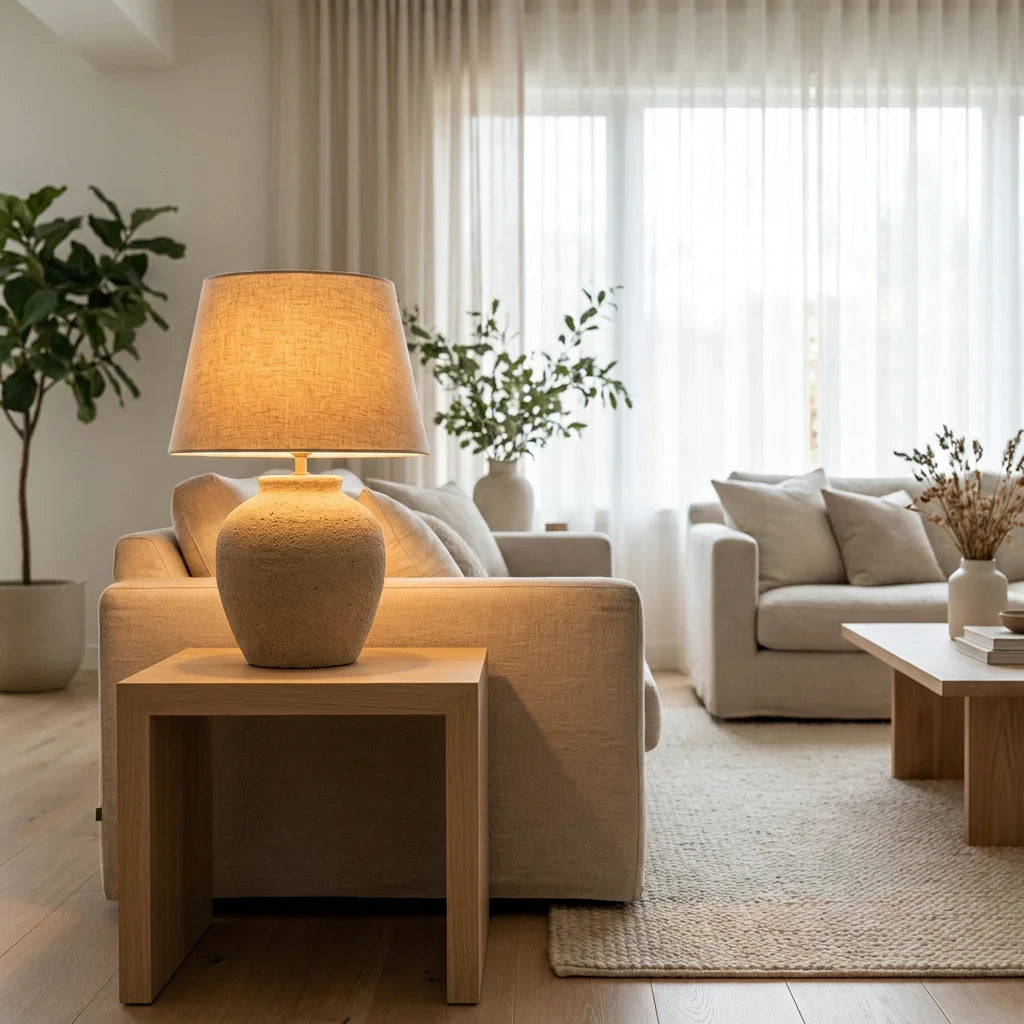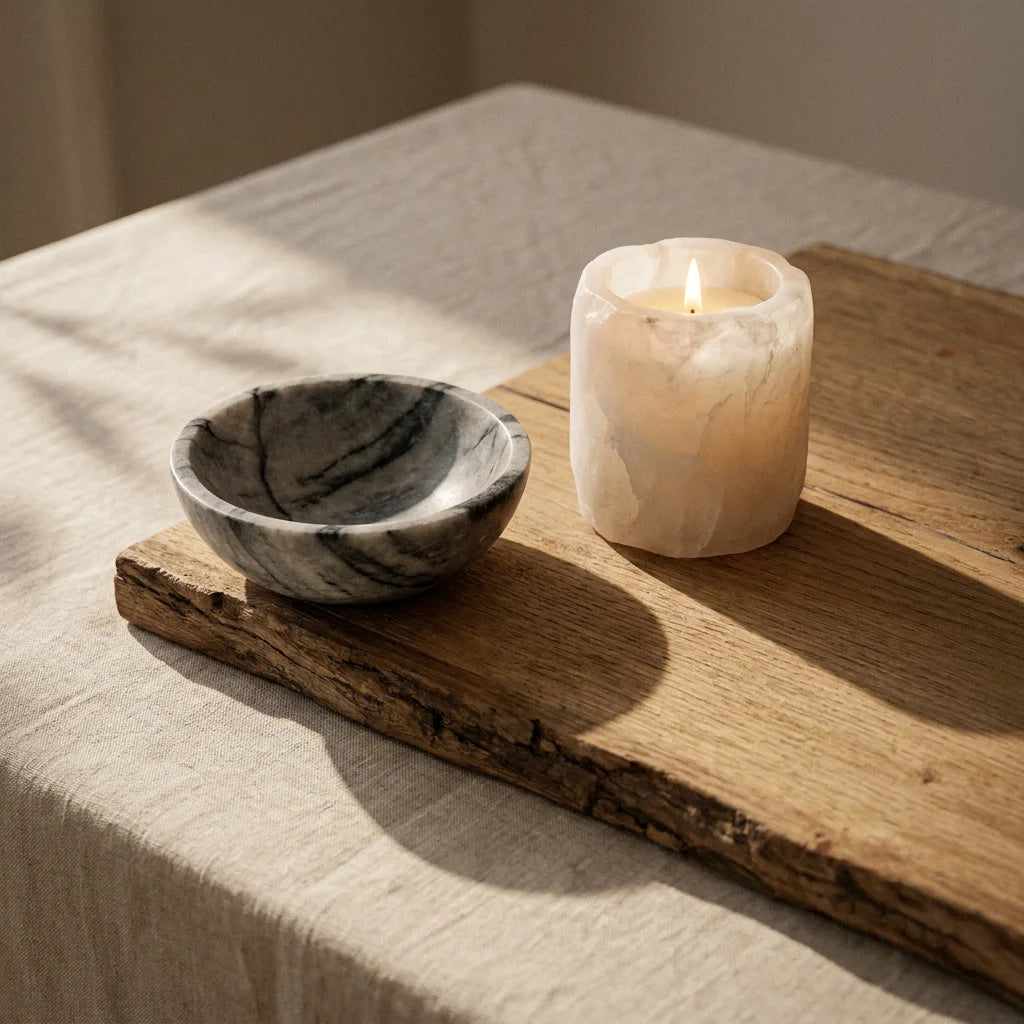

By mid-2026, the luxury interior design landscape has arrived at a profound realization: silence is the ultimate luxury. In an increasingly connected, high-frequency digital world, our sensory systems are under constant bombardment. We are surrounded by the hum of technology, the rattle of ventilation systems, and the sharp acoustics of open-plan layouts built with polished steel and cold glass. In response, designers are pioneering the movement of Silent Sanctuaries—curating spaces specifically engineered to reduce auditory clutter, absorb high-frequency chatter, and lower cognitive fatigue through organic, biophilic sound-absorbing materials like natural cork and acoustically absorptive ceramics.
For too long, acoustics were treated as a commercial office problem, solved with ugly, industrial foam tiles or sterile glass partitions. But in 2026, acoustic wellness has entered the home. We understand that a quiet home is a healing home. As we explored in our previous whitepapers on Solfatara Textures and the grounding power of The Living Stone, tactile and thermal grounding are essential elements of modern interior curation. Today, we turn our attention to the air itself—and the auditory waves that shape our daily state of mind.
Section 1: The Auditory Deficit and the Rise of Sound-Damped Spaces
We live in a high-vibration culture. The surfaces that define modern high-density apartments—concrete, marble, metal, and glass—have high acoustic reflectance. Sound waves bounce off these rigid, non-porous materials, creating a constant, low-level "flutter echo." While this echo may not be consciously registered as noise, it keeps our autonomic nervous system in a state of mild, chronic alertness. The brain must constantly filter out these reflected frequencies, leading to what neuro-architects call Acoustic Fatigue.
In the home design landscape of 2026, luxury is defined by sound absorption. Homeowners are actively rejecting cold, echoey rooms in favor of soft, acoustic-cocooned sanctuaries. This "Great Softening" is achieved by replacing reflective hard finishes with natural, porous interfaces that absorb sound energy. By dampening the micro-acoustics of a room, we lower the background noise floor, reducing heart rates and cortisol levels, and inviting deep, restful breathing.
Section 2: The Acoustic Properties of Clay and Ceramic Grog
While textiles, rugs, and heavy curtains are well-known sound-absorbers, ceramics have historically been viewed as hard, reflective objects. However, at Borealforest, our unglazed, coarse-clay stoneware belongs to an entirely different class of materials. The secret lies in its micro-porosity and the specific composition of our clay bodies.
When clay is high-fired to 1300°C, its crystalline structure becomes incredibly dense and heavy. At Borealforest, we intentionally add high percentages of grog—pre-fired, crushed clay particles with varied grain sizes—into our clay formulations. This grog creates an open, highly textured, and microscopic-porous matrix throughout the body of our ceramics. This structure acts as a natural sound dampener in two ways:
- Viscous Friction: When sound waves hit the rough, open pores of an unglazed Borealforest vase or cup, the sound energy enters the microscopic channels within the clay. The air molecules rub against the irregular walls of the pores, converting sound energy into minute thermal energy through viscous friction. This effectively absorbs high-frequency waves, such as the clatter of kitchen utensils or the high-pitch hum of electronics.
- Wave Scattering: Unlike a flat glass or metal surface that bounces sound waves back in a single, cohesive direction, the irregular, geological-cratered surface of our Solfatara Textures scatters incoming sound waves in multiple directions. This diffuse reflection breaks up the coherence of the echo, softening the room's auditory signature and making the space feel instantly quieter and more intimate.
By curating large, unglazed, sand-tempered ceramic vessels in your living areas, you are not just placing decorative objects; you are installing natural acoustic diffusers that quietly work to soften the space's soundscape.
Section 3: Natural Cork and Cedar Wood—The Earth’s Acoustic Armor
To maximize the acoustic benefits of our ceramics, we recommend pairing them with the earth's natural sound-absorbing materials: natural cork and vertical slatted oak or cedar panels.
Cork is one of nature’s most miraculous materials. Composed of millions of microscopic, air-filled, honeycomb-like cells, cork has a natural elasticity and a very low acoustic impedance. Sound waves easily enter cork and are trapped inside its cellular honeycomb, making it an extraordinarily efficient sound absorber. In 2026, cork is being utilized not just for flooring, but as beautiful, textured wall tiles and acoustic dividers that introduce warm, honey-toned Morandi colors and earthy textures to home offices and studies.
When you place a rough, hand-signed Borealforest ceramic mug next to a cork desktop tile, you are witnessing a profound material dialogue. Both cork and coarse clay share a tactile kinship—both are micro-porous, warm to the touch, and derived directly from the earth’s protective layers. The visual pairing of raw wood slats, soft cork, and heavy unglazed clay creates a multisensory harmony that signals safety, stability, and deep, quiet rest to our sensory system.
Section 4: Cognitive Healing and Silent Workspace Rituals
For the remote professional in 2026, the home office is no longer just a place of high productivity; it is a space for cognitive preservation. Sustained creative focus requires periods of deep, uninterrupted silence. In an acoustically optimized silent sanctuary, the brain does not have to fight background noise, allowing it to enter the highly elusive flow state.
This is where the concept of the WFH Desk Ritual becomes essential. Holding a heavy, hand-signed Borealforest ceramic cup filled with warm tea or coffee is a physical grounding mechanism. The soft, unglazed clay absorbs the heat, warming your fingers and focusing your awareness. The heavy weight of the cup sends a reassuring "gravity signal" to your brain, lowering somatic stress. As you place the cup back onto a cork desk pad, there is no sharp, jarring clatter—only a soft, hushed, and grounded click. This silence of interaction protects your mental focus, allowing you to work with deeper intention and less fatigue.
Section 5: Designing Your Silent Room: A Curation of Silence
Creating a silent sanctuary in your home is an exercise in warm minimalism and sensory curation. Here is how to style your space for optimal acoustic and visual peace:
1. Vertical Slatted Paneling: Install a partial or full wall of vertical oak or cedar wood slats backed with soft, dark-colored felt. The slatted structure diffuses sound, while the felt backing absorbs it, creating an elegant, sound-damped gallery feel. Against this backdrop, place a low, matte-black timber pedestal holding a single, large Borealforest Solfatara vase with a dry pine or olive branch.
2. Layering Porous Elements: Contrast the hard lines of modern desks or media consoles with soft, porous natural elements. Place textured cork wall organizers, unglazed ceramic bowls, and unpolished soapstone trays around your workspace. Avoid mass-produced plastic or laminate accessories; choose raw mineral-based materials that offer acoustic absorption and tactile richness.
3. The Acoustic Gallery Shelf: On a floating shelf, curate a selection of Borealforest ceramics of varying heights and textures. Place a translucent alabaster vessel alongside an unglazed sand-tempered vase and a dark iron-clay mug. The varying textures, pores, and heights act as a micro-diffuser, absorbing and scattering local sound waves, while creating a stunning visual display of material truth.
Conclusion: Designing for the Quiet Soul
In 2026, the ultimate sign of high curation is not a space that is flashy or loud, but one that has been quieted with intention. A home should be a physical shield against the chaotic frequency of the digital world—a silent sanctuary where we can recover our human resilience.
By surrounding ourselves with materials that absorb, scatter, and quiet—natural cork, wood slats, raw stones, and Borealforest unglazed ceramics—we are building an environment that respects our biology. We are investing in our long-term wellness. Explore our Studio Archive today and find the tactile, silent anchors that will help you bring the forest, and its quiet peace, home.