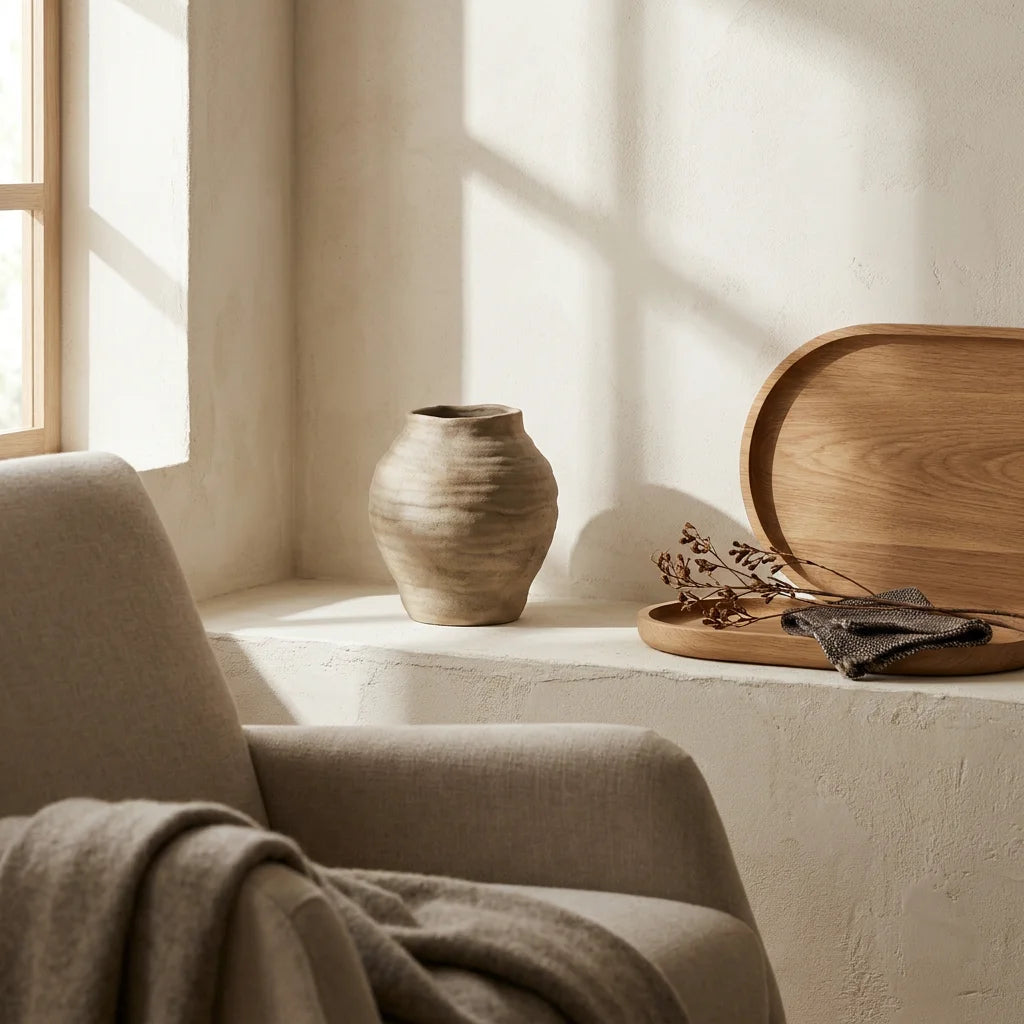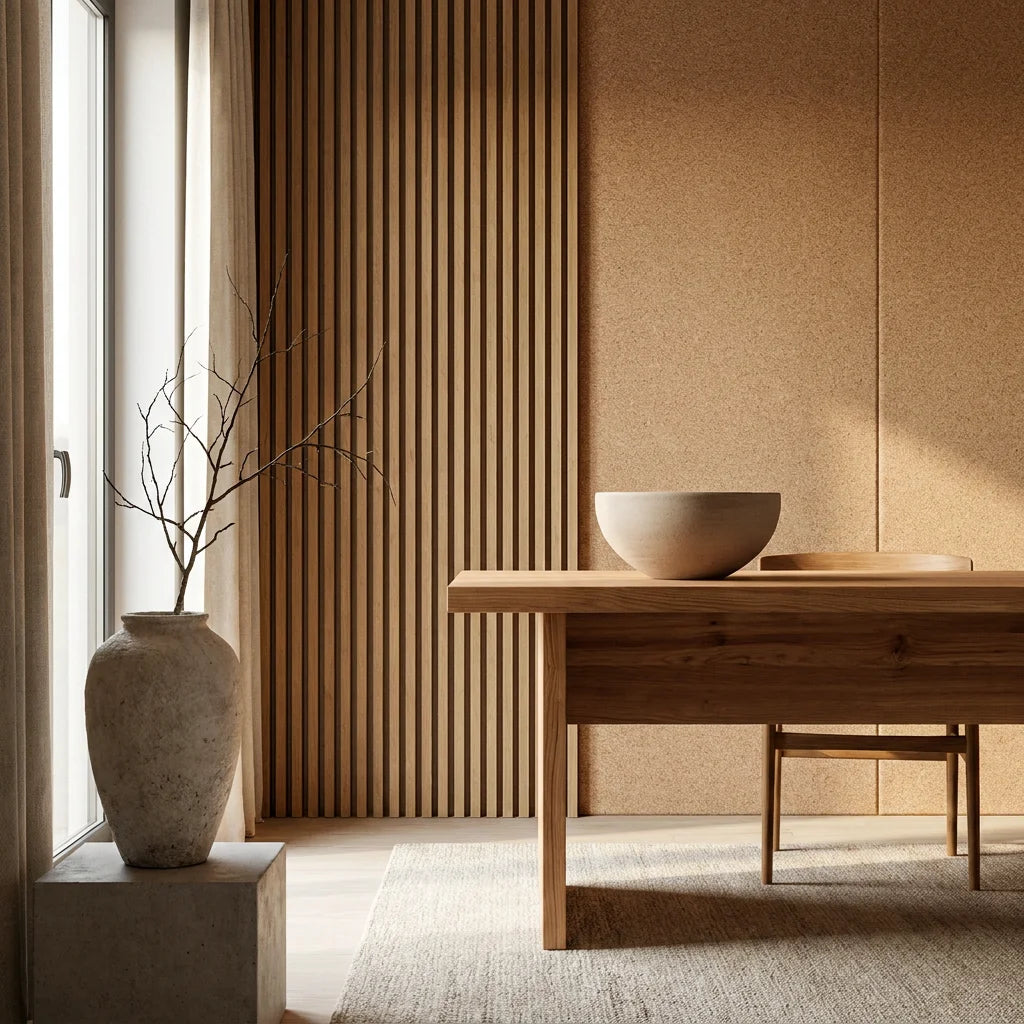

By mid-2026, the global design conversation has evolved from spatial layout and structural materials to a deeply biological focus: sensorial lighting. As remote work and digital immersion completely blur the boundaries between professional labor and restorative leisure, our homes have inherited a severe biological crisis. We spend our days bathed in the flat, high-frequency blue light of screens, or under harsh, non-dimmable LED ceiling arrays. In response to this circadian disruption, the luxury interior design space is enacting the Great Softening—redefining light not as a mere utility, but as a biophilic, sensory-modulating antidote sculpted through natural, non-reflective materials like unglazed ceramics and translucent alabaster.
This movement recognizes that light is a physical wave that dictates our neurological state. As we have explored in our previous brand whitepapers on Silent Sanctuaries and the grounding properties of The Living Stone, a home cannot be a true sanctuary unless it respects the biological needs of its inhabitants. Today, we turn our attention to the medium of illumination—and how natural minerals and earth-born textures can filter, soften, and sculpt light to create a deeply healing space.
Section 1: The Circadian Crisis and the Shift to Sensorial Light
Our biology was forged under the slow, predictable rhythms of the solar transit. For millions of years, human eyes processed only two types of illumination: the full-spectrum, dynamic daylight of the sun, and the warm, low-frequency flicker of wood fires at night. This biological blueprint dictates our autonomic nervous system, regulating cortisol (the alertness hormone) by day, and triggering melatonin (the sleep and recovery hormone) as the light softens in the evening.
In the modern home, however, this blueprint is systematically broken. Synthetic, blue-shifted LEDs keep our sensory systems in a constant state of hyper-arousal, suppressing melatonin and preventing the nervous system from entering the restorative parasympathetic "rest-and-digest" state. In response, 2026 design is pioneering the shift to Sensorial Illumination. This approach rejects harsh, direct light sources in favor of indirect, filtered, and warm-spectrum ambient lighting. It is about creating a "light envelope" that cocoons the room, softening shadows, and signaling to our limbic system that it is safe to rest.
Section 2: Translucent Alabaster—Filtering Light Through Geological Time
At the pinnacle of this sensorial light movement is the revival of translucent alabaster. Formed millions of years ago, alabaster is a fine-grained, massive variety of gypsum. Its unique crystalline structure is naturally semi-porous and semi-translucent. When carved into delicate vessels or candle holders, it acts as an extraordinary natural optical filter.
Why does light filtered through alabaster feel so profoundly different? When a candle flame flickers inside an alabaster cup, the light waves do not bounce directly off the surface or escape unfiltered. Instead, they enter the stone's crystalline lattice, bouncing off microscopic boundaries and diffusing evenly throughout the material. This transforms a sharp, point-source light into a soft, volumetric glow that radiates from the stone itself.
Furthermore, the natural veins of clay and iron oxide that run through raw alabaster like delicate golden-brown threads act as organic filters. They tint the light, shifting its color temperature into a deep, warm amber (around 1800K to 2200K). This warm-spectrum, low-frequency glow mimics the exact wavelength of a dying campfire—the ancient biological signal that tells the human brain the day's labor is over and the pack is safe. Placing an alabaster candle holder on a table instantly reduces heart rate variability, calms the amygdala, and creates an intimate, meditative atmosphere.
Section 3: Unglazed Ceramic Lamp Bases—The Non-Reflective Anchors
If alabaster is the luminous filter of the home, unglazed ceramics are its structural, light-sculpting anchors. In the luxury minimalist interiors of 2026, highly polished, metallic, or chrome lamps are being replaced with unglazed ceramic table lamps. This is a deliberate, tactical choice based on the physics of light reflectance.
Polished metals and glossy glazes produce specular reflection—sharp, high-intensity light glare that creates visual noise and causes micro-strain on our eyes. Unglazed ceramic, however, behaves as a diffuse reflector. The sand-tempered, coarse-clay bodies of Borealforest ceramics possess a rough, irregular topological surface at the microscopic level. When light waves hit this surface, they are scattered in multiple directions, breaking up the harshness of the beam.
This diffuse reflection creates several key design and biological benefits:
- Shadow Sculpting: Light interacting with coarse, unglazed clay casts soft, painterly gradients of shadow across the object's body. It highlights the micro-craters and ridges of our Solfatara Textures, transforming the lamp base into a living, sculptural sundial that shifts in depth throughout the evening.
- Visual Quietness: By absorbing light glare rather than reflecting it, an unglazed ceramic lamp base has a low visual luminance. It does not demand attention or clutter the room with visual noise, fitting perfectly into the Warm Minimalism and Quiet Luxury aesthetic.
- Circadian Alignment: When paired with a natural linen shade, a ceramic table lamp directs light downward and outward in a soft, indirect cone. This avoids overhead glare, mimicking the low-angle light of the setting sun and preparing our minds for sleep.
Section 4: The Neuro-Biology of Sensory Illumination
The sensory impact of filtering light through raw clay and translucent minerals is deeply grounded in neuro-biology. When our eyes process warm, low-intensity, and diffused light, our brain registers several positive changes:
- Vagus Nerve Stimulation: Soft, low-frequency light stimulates the visual receptors that project to the suprachiasmatic nucleus (SCN), signaling the brain to activate the vagus nerve. This stimulates parasympathetic dominance, slowing heart rate and promoting deep diaphragmatic breathing.
- Reduction of Cortisol: By eliminating blue light wavelengths after sunset, we prevent the synthetic suppression of melatonin. Cortisol levels drop naturally, allowing the body to initiate cellular repair and brain-toxin clearance during deep sleep.
- Tactile-Optical Integration: When we see a lamp base made of coarse clay or a candle holder made of raw alabaster, our brain performs a cross-sensory translation. We "feel" the texture of the clay and the weight of the stone simply by looking at them. This tactile-optical integration grounds us in our immediate environment, pulling our minds away from abstract digital anxieties.
Section 5: Designing with Light and Clay: The Dialectics of Warm Minimalism
Integrating sensorial light into your home is about creating a curated composition of light, texture, and negative space. Here is how to style your silent sanctuary:
1. The Layered Amber Horizon: Avoid overhead central lighting entirely in the evening. Instead, layer light sources at a low vertical height (below eye level). Place a handcrafted Borealforest ceramic lamp with a coarse, unglazed sand-colored base on a low oak side table. Pair it with a translucent alabaster vessel on a nearby shelf. The combination of diffused lamp light and glowing stone creates a warm, horizon-like glow that feels incredibly peaceful.
2. Sculpting with Natural Linen: Always pair unglazed ceramic lamp bases with shades made of natural, coarse-woven linen or handmade cotton paper. These organic materials filter the light, revealing the natural irregularities and slubs of the weave, adding rich, tactile depth to the light field.
3. The Alabaster Hearth Ritual: Dedicate a specific area of your home—a mantelpiece, a low shelf, or a cedar coffee table—as your "light hearth." Gather a collection of raw alabaster candle holders and unglazed ceramic bowls. As you light the candles in the evening, the translucent white stone glows from within, casting elegant, flickering shadows across the raw clay vessels. This simple act of lighting becomes a meditative ritual that separates the stress of the workday from the peace of the evening.
Conclusion: Curate Your Glow
In 2026, the ultimate sign of high spatial curation is not how bright your home is, but how beautifully it holds the dark. A true sanctuary does not banish shadows; it sculpts them with intention, using the raw, geological intelligence of the earth.
By surrounding ourselves with materials that filter, soften, and quiet—unglazed ceramics, translucent alabaster, and natural linen—we are building an environment that protects our biology. We are investing in our long-term resilience. Explore the Studio Archive of Borealforest today, find your perfect sensorial light anchor, and bring the forest’s healing glow into your sanctuary.