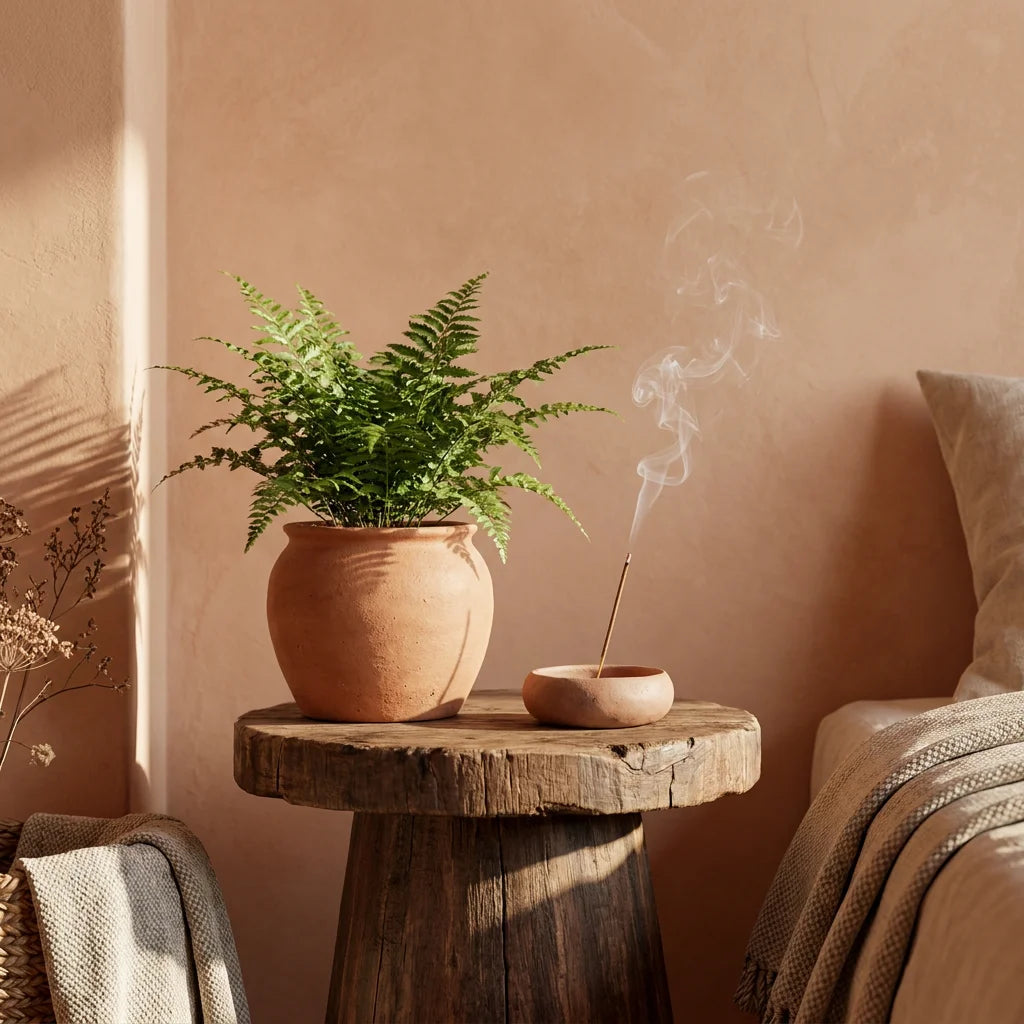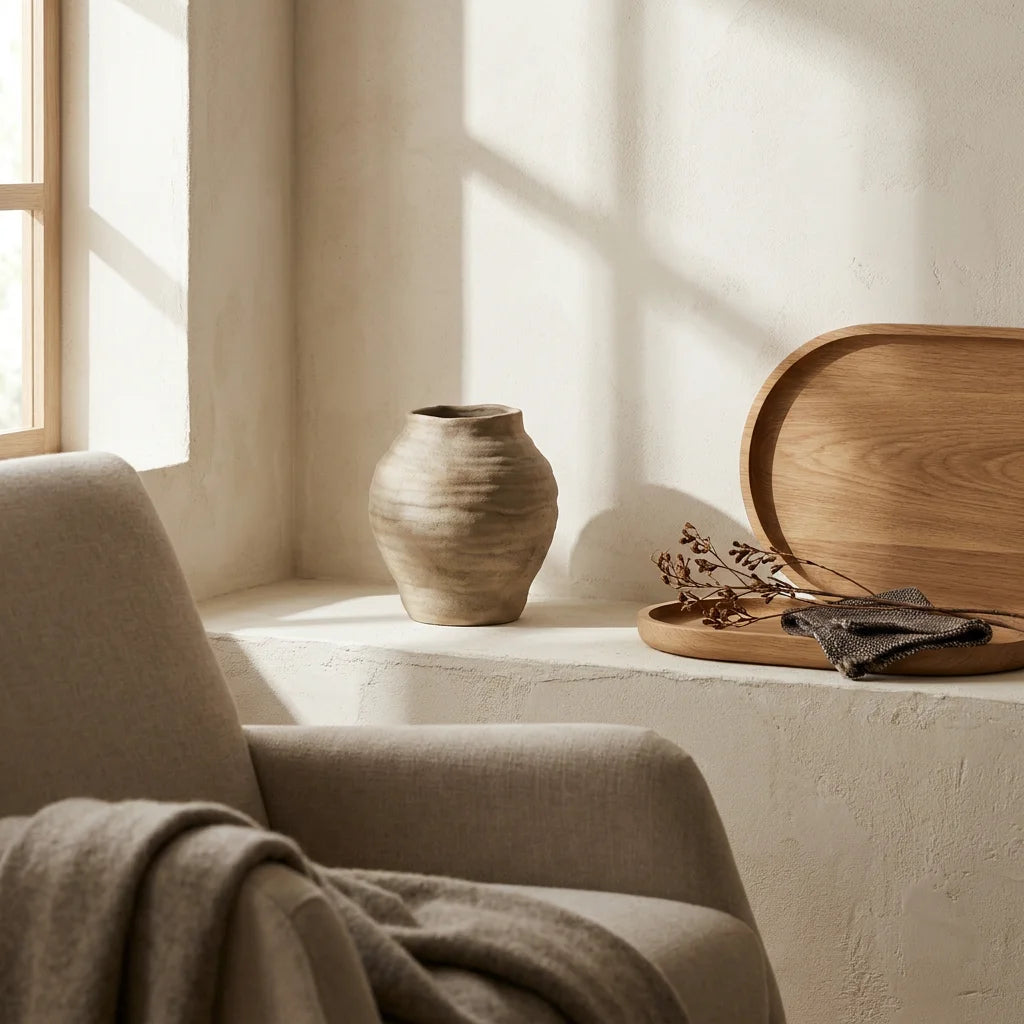

By the summer of 2026, the focus of high-end interior architecture has descended from the sky to the very crust of our planet. We are witnessing the rise of a powerful, earth-bound movement known as Geological Stratum. This aesthetic direction celebrates the beauty of layered sedimentation, wind-eroded landscapes, and the cooling of volcanic lava, translating these slow geological processes into layered clay textures and sediment glazes for modern luxury homes. In an era dominated by weightless digital experiences, surrounding ourselves with materials that carry the physical and visual weight of geological time has become the ultimate statement of luxury and biological grounding.
This movement represents a profound, instinctual shift. As we have explored in our previous brand whitepapers on the fluid silhouettes of Modern Zen and the light-sculpting properties of Sensorial Light, our homes are evolving into multi-sensory sanctuaries. The introducing of sediment-layered surfaces is the next stage of this biophilic evolution—bringing the slow, ancient, and stabilizing frequencies of the earth's crust directly into our living environments.
Section 1: The Psychology of Sedimentation—The Beauty of Slow Time
In geology, a stratum represents a single layer of sedimentary rock or soil, deposited over thousands or millions of years. Each layer is a physical record of a specific climate, a particular mineral wash, or a dramatic geological event. When we look at a layered rock formation or a textured sediment wall, our brains instinctively process this as Deep Time—a timeline that dwarfs the fleeting, high-frequency pace of our modern digital lives.
In 2026, the interior design landscape is utilizing this psychological grounding effect. Homeowners are actively rejecting smooth, uniform, and artificially pristine surfaces in favor of materials that tell a story of accumulation, erosion, and time. Layered clay plaster walls, rammed-earth columns, and sediment-glazed ceramics introduce a visual "horizon line" to our indoor spaces. This horizontal layering mimics the stabilizing geology of the natural world, lowering our cognitive processing load and creating a profound sense of stability and rest.
Section 2: Sediment Glazes—Painting with Ground Minerals
At Borealforest, our design philosophy is deeply rooted in the concept of material truth, as established in The New Artisanal Renaissance. Our latest creations explore the boundary between ceramic craft and raw geology through the introduction of Sediment Glazes.
Unlike standard industrial glazes, which are formulated with highly refined, synthetic chemicals to produce a glassy, perfectly uniform coat, our sediment glazes are created using raw, unrefined minerals gathered directly from nature. We use iron-rich clays, ground silica, manganese dioxide, and coarse volcanic grog. During the firing process at 1300°C, these raw minerals do not melt into a smooth liquid; instead, they react unevenly, bubble, and fuse into thick, layered crusts of varied colors and textures.
A Borealforest sediment-glazed vessel features a rich, geological gradient—transitioning from deep charcoal-slate grey to warm ochre, rust-red, and sandy gold. The glaze is applied in irregular, overlapping layers, mimicking the natural deposition of river silt or the slow cooling of volcanic ash. When you hold these pieces, you are touching the raw, fired crust of the earth itself, providing an extraordinary tactile richness that reconnects your nervous system to the natural world, as detailed in our research on the grounding power of The Living Stone.
Section 3: Unglazed Layered Plaster—The Silent Architectural Envelope
To maximize the grounding effect of sediment-glazed ceramics, leading architects in 2026 are pairing these objects with unglazed layered clay plaster walls. This architectural envelope serves as a highly functional, biophilic acoustic and visual filter.
Clay plaster is naturally porous, allowing it to act as an exceptional sound-dampening medium. When sound waves hit the micro-pores and irregular layers of a sediment plaster wall, they are enters the microscopic channels within the material, where they are converted into minute thermal energy through viscous friction. This lowers the ambient noise floor of the room, creating a hused, sanctuary-like acoustic space, as outlined in our study on Silent Sanctuaries.
Visually, unglazed layered plaster catches the natural side light from windows, casting soft, painterly shadows across its textured horizontal bands. This creates a low-glare, non-reflective visual field that minimizes eye strain and sensory fatigue, providing a tranquil backdrop for your curated objects. It is the ultimate expression of Warm Minimalism—where space is kept clean and expansive, but warmed and softened by the natural, ancient textures of the earth.
Section 4: The Neuro-Aesthetics of Geological Materials
The sensory impact of geological stratum textures is supported by the emerging science of Neuro-Aesthetics—the study of how our brain processes and responds to aesthetic experiences. When we surround ourselves with raw, earth-rooted materials, our brain registers several positive changes:
- Cognitive Calming: Geological textures are inherently fractal—possessing self-similar patterns at different scales (from the macro-veins of rock to the micro-grains of sand). Neuroscientific studies show that processing fractal geometry requires less neural effort, allowing our brains to enter a relaxed, meditative state.
- cortisol Reduction: The earthy color palette of sediment-glazed ware—rich charcoal, warm slate, raw ochre, and sand—belongs to the low-arousal color spectrum. Looking at these tones reduces sympathetic nervous system activity, lowering blood pressure and heart rate.
- Tactile Mindfulness: The tactile contrast between a smooth wooden surface and the rough, cratered glaze of a sediment vessel stimulates our skin's mechanoreceptors, pulling our attention away from abstract digital anxieties and anchoring us fully in our immediate physical reality. This is the biological foundation of Material Therapy.
Section 5: Curating the Geological Stratum Aesthetic
Integrating sediment-layered textures into your home is about creating a curated composition of contrasts—the hallmark of the modern **Curated Gallery** home. Here is how to style geological stratum elements for a warm, modern Zen atmosphere:
1. The Contrast of Raw and Polished: Place a heavily textured, unglazed Borealforest sediment-glazed vessel on a smooth, polished concrete or dark marble console table. The sleek, clean lines of the modern stone highlight the rugged, ancient qualities of the ceramic, creating a dynamic visual tension that feels museum-like and highly intentional.
2. Layering Organic Materials: Pair sediment-glazed ware with other organic, low-sheen fabrics and woods. Place a raw clay vase next to an unpolished soapstone tray on a rustic, rough-grained cedar table. Complete the setting with heavy, un-ironed linen napkins or a thick wool throw to add cozy, tactile depth to the space.
3. The Horizon Line Ritual: Create a visual horizon line on a gallery shelf or mantle by lining up objects of geological weight. Combine a translucent alabaster candle holder, an unglazed sand-tempered bowl, and a dark sediment-glazed vessel. As the candle warm-up the alabaster, its milky surface glows from within, while the changing daylight casts long, elegant shadows across the coarse clay vessels, turning the shelf into a living sundial.
Conclusion: Invest in Geological Time
In 2026, the ultimate sign of high curation is choosing raw, unpolished, earth-born materials over mass-produced plastics and glass. It is a decision to prioritize material truth, human artistry, and sensory wellness in our daily lives.
We invite you to explore the Studio Archive of Borealforest today, find your perfect sediment-layered anchor, and bring the ancient, grounding peace of the forest's geology home.