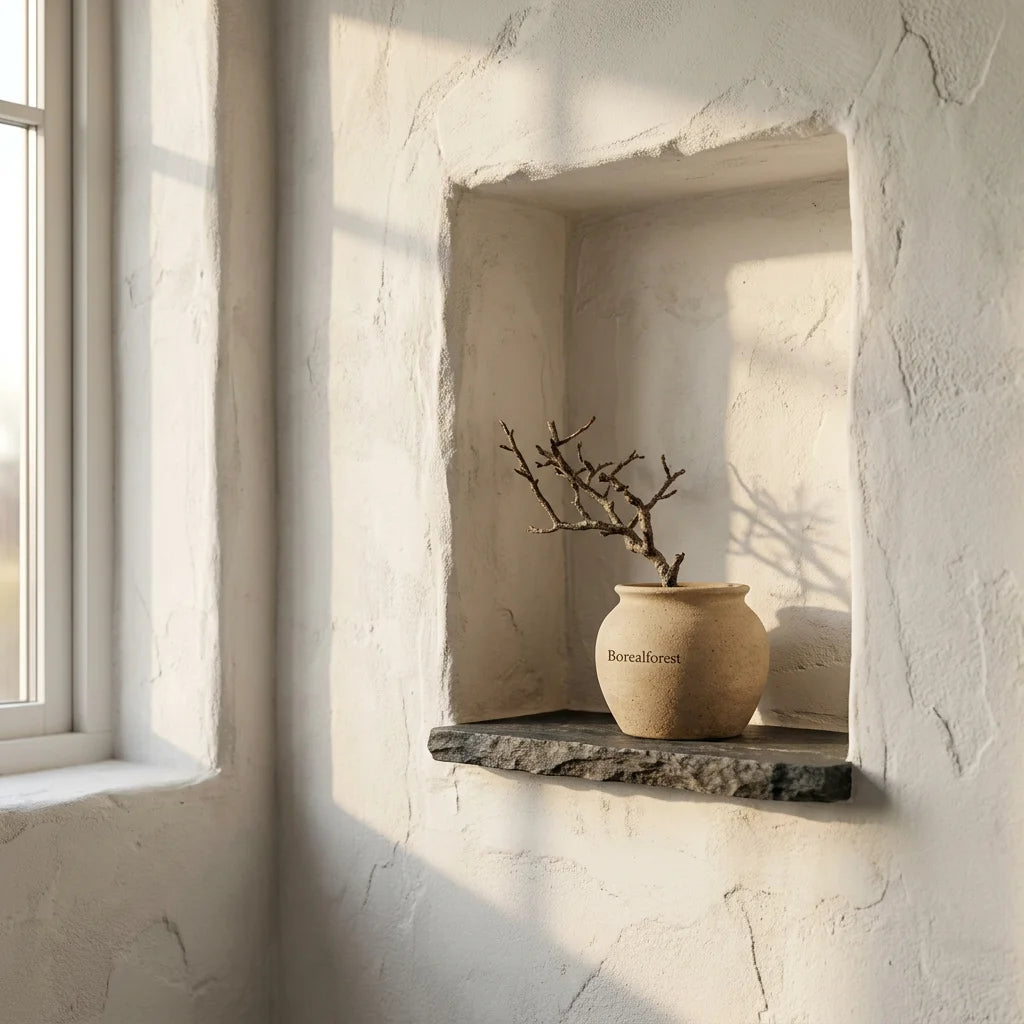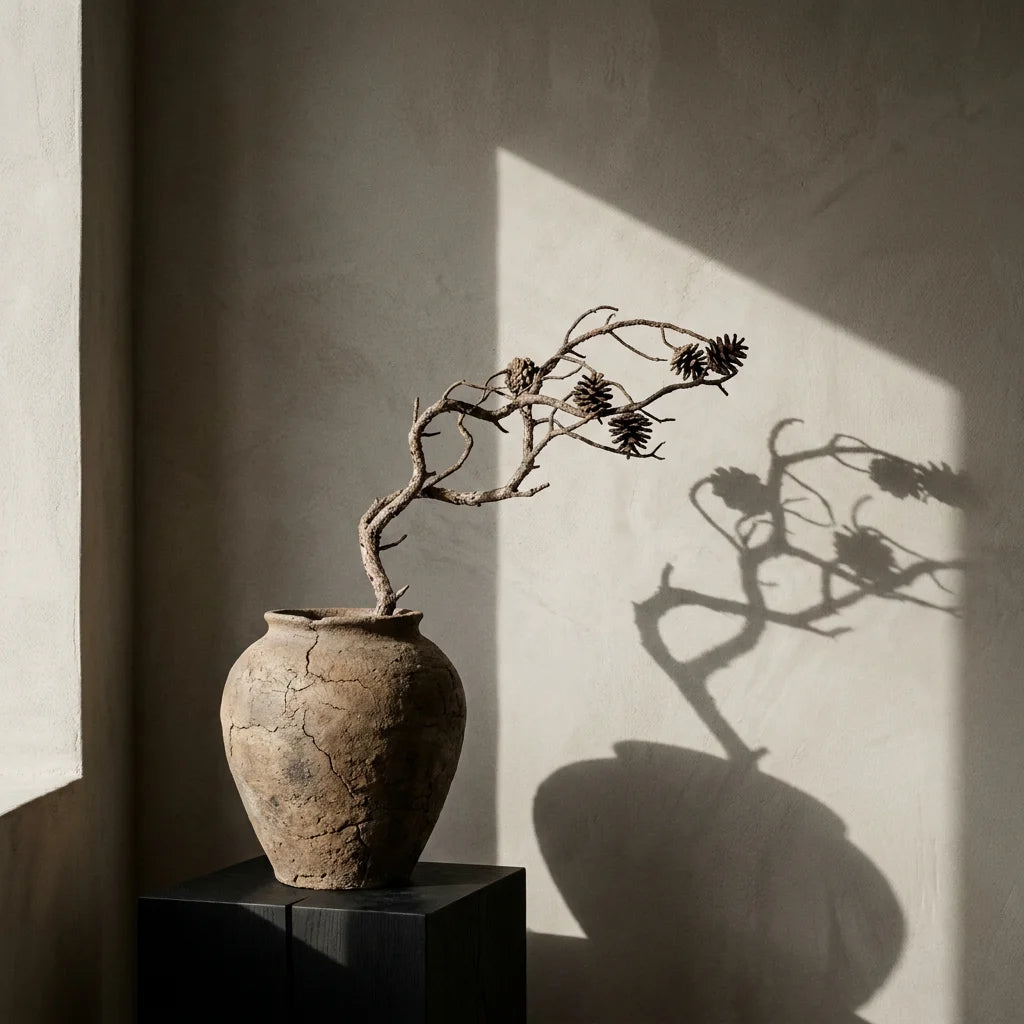

By the summer of 2026, the global design conversation has migrated from cold, monochromatic neutrals to the rich, instinctual pigmentations of our planet's crust. We are witnessing the rise of a powerful, color-theraputic movement known as Native Earth Colors. This trend celebrates the warm, grounded, and low-saturation hues of rust, saffron, and raw clay as the ultimate palette for cozy living. In an era dominated by high-frequency digital screens and sterile, non-porous synthetic environments, surrounding ourselves with materials that carry the physical and visual weight of raw mineral pigments has become the supreme symbol of cozy luxury, sensory restoration, and biological grounding.
This biological shift is an intentional, wellness-focused intervention. As we have explored in our previous brand studies on the graphic silhouettes of Botanical Sculptures, the hand-applied textures of Raw Earth & Clay Plaster, and the tactile comforting of Sensory Fabrics, our homes are evolving into multi-sensory sanctuaries. Today, we turn our attention to the medium of color—and how native earth tones can filter, soften, and soothe our over-stimulated visual and neurological systems.
Section 1: The Bio-Chemistry of Soil Pigments—Why Low-Saturation Hues Matter
Our visual cortex was forged under the slow, predictable spectrum of the natural world. For millions of years, human eyes processed only the warm, low-frequency hues of soil, clay, wood, and sunset light. This biological blueprint dictates our autonomic nervous system, regulating cortisol (the alertness hormone) by day, and triggering melatonin (the sleep and recovery hormone) as the colors of the horizon soften in the evening.
In high-stress modern environments, however, this blueprint is systematically broken. Synthetic, blue-shifted LEDs and vibrant, high-saturation screen graphics keep our sensory systems in a constant state of hyper-arousal, suppressing melatonin and keeping our bodies in a state of high cognitive load. In response, 2026 design is pioneering the shift to Native Earth Pigmentations. This palette rejects artificial, high-frequency colors in favor of low-saturation, earth-born mineral tones. It is about creating a "chromatic envelope" that cocoons the room, softening shadows, and signaling to our limbic system that it is safe to rest.
Section 2: Saffron and Clay—Filtering Light and Shadow
At Borealforest, our design philosophy is deeply rooted in this material truth, as outlined in our study on The New Artisanal Renaissance. Our unglazed, low-fired stoneware possesses an open, microscopic-porous cell structure. When high-fired to 1300°C, its crystalline structure becomes incredibly dense and heavy, retaining its natural mineral pigments. Our latest collections explore the rich, earth-rooted pigments of saffron, ochre, and rust-red clay:
- Ochre and Saffron Glazes: Our ochre and saffron glazes are created using raw, unrefined mineral deposits gathered directly from the earth. These raw pigments react unevenly in the kiln at 1300°C, fusing into thick, layered crusts of varied colors and textures. The glaze applied in irregular layers mimics the natural deposition of soil, providing an extraordinary tactile richness, as explored in Geological Stratum.
- The Scent of Geosmin: Unglazed clay releases a delicate, earthy aroma when it comes into contact with moisture or heat—often referred to as *petrichor* or geosmin. Scent and touch work in perfect harmony to soothe our over-stimulated minds, lowering cortisol levels instantly, as detailed in our study on Olfactory Sanctuaries and Terra-Cotta Healing.
- Diffuse Light Absorption: Unlike flat, satin, or gloss latex paints that produce specular reflection, unglazed clay plaster walls and ceramic vessels behave as a diffuse, non-reflective optical absorber, as we explored in Sensorial Light. It absorbs harsh glare, creating soft shadow gradients that further soothe our visual system, as detailed in our study on the circadian alignment of Modern Zen.
Section 3: Reclaiming Tactile Friction in Saffron Spaces
For the remote professional in 2026, the ultimate sensory deficit is the lack of physical friction. We swipe across flat, friction-free glass screens, tap on synthetic plastic keys, and sit at polished laminate desks. This frictionless existence has left our skin's mechanoreceptors dormant, leading to what neuroscientists call "tactile fatigue."
Our hands crave friction, resistance, and temperature variations. Low-fired, unglazed ceramic vessels and raw wood coffee tables are highly responsive thermal and tactile interfaces:
- Thermal Responsiveness: High-density materials like soapstone and unglazed clay have a high natural thermal capacity. They absorb the ambient temperature of the room and, more importantly, the warmth of your hands. Holding a warm clay mug establishes a somatic feedback loop that grounds your nervous system, as detailed in The Living Stone.
- Frictional Grounding: Running your palm along the raw, unpolished live edge of a cedar table or the sand-grained grit of a clay wall provides a rich, irregular tactile feedback. Scent, touch, and low-frequency colors work in perfect harmony to soothe our over-stimulated minds, lowering cortisol levels and somatic tension, as explored in Warm Timber.
Section 4: The Neuro-Aesthetics of Native Earth Tones
The physiological impact of surrounding ourselves with warm, low-saturation earth colors and micro-porous acoustic dampening is backed by the emerging science of **Neuro-Aesthetics**—the study of how environmental geometries, lighting, and colors shape our biology:
- Sympathetic Deactivation: The combination of warm earth colors (like rust, saffron, and ochre) and micro-porous acoustic dampening stimulates the vagus nerve. This triggers parasympathetic dominance, slowing heart rates and promoting deep, diaphragmatic breathing.
- Cognitive Restoration: Raw clay textures are naturally fractal, presenting organic, non-uniform mineral patterns. Neuroscientific studies show that processing fractal geometries requires less neural effort, allowing our brains to enter a relaxed, meditative "open monitoring" state that clears mental fatigue and sparks creativity.
- Cortisol Suppression: Scent, touch, and low-frequency colors work in perfect harmony to soothe our over-stimulated minds, lowering cortisol levels and somatic tension naturally, as we explored in Silent Sanctuaries.
Section 5: Curating Your Native Earth Color Sanctuary
Integrating the native earth color palette into your modern, warm minimalist home is about creating a curated composition of contrasts—the hallmark of the modern **Curated Gallery** home:
1. The Ochre Horizon: On a solid rustic cedar wood pedestal block sits a Borealforest unglazed ceramic bowl with a beautiful ochre-and-saffron layered sediment glaze. In the background, install a soft, raw clay plaster wall in a warm sunset ochre hue. Soft natural window light casting long, delicate shadows on the wall and pedestal creates a serene, peaceful, and warm minimalist, gallery-like atmosphere.
2. The Rust and Stone Tabletop: On a smooth, warm-grey stone surface sits a hand-signed unglazed Borealforest ceramic mug, resting next to a dry red-maple leaf on a rust-colored crumpled linen napkin. Soft, low-angle natural morning side light casting delicate, textured shadows on the stone and linen creates a beautiful, cozy visual depth.
3. The Scented Hearth: Gather a collection of raw terra-cotta incense dishes, unglazed ceramic bowls, and translucent alabaster candle holders on a low cedar coffee table. As you light the candles and incense in the evening, the translucent white stone glows from within, while the thin trail of incense smoke rises against the warm clay plaster wall, transforming the space into a living, slow-moving sundial of mindfulness.
Conclusion: Invest in the Antidote
In 2026, choosing raw, unpolished, earth-born materials and warm, low-saturation earth colors over mass-produced synthetic plastics and synthetic fragrances is a radical act of self-care. It is a decision to prioritize material truth, human artistry, and biological wellness in our daily lives.
We invite you to explore the Studio Archive of Borealforest today, find your perfect native earth color anchor, and bring the ancient, slow peace of the earth home.