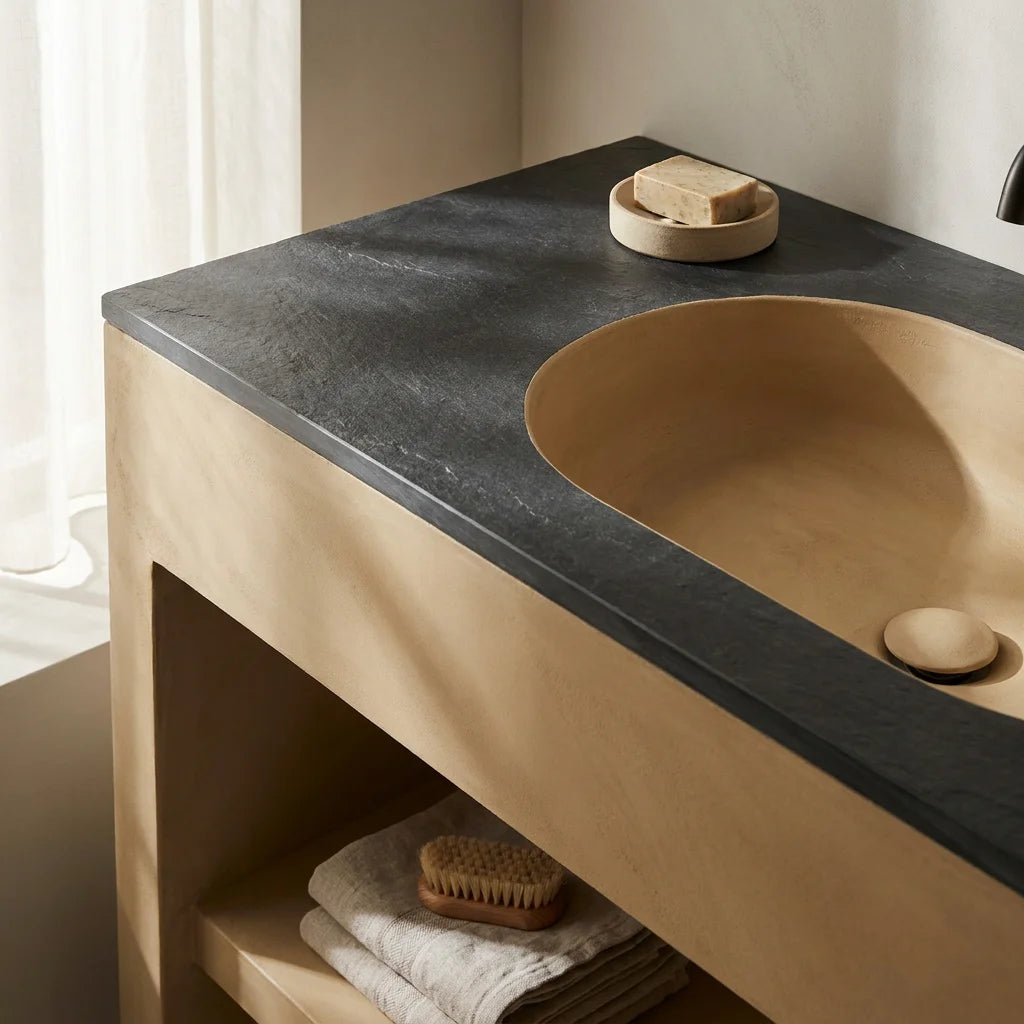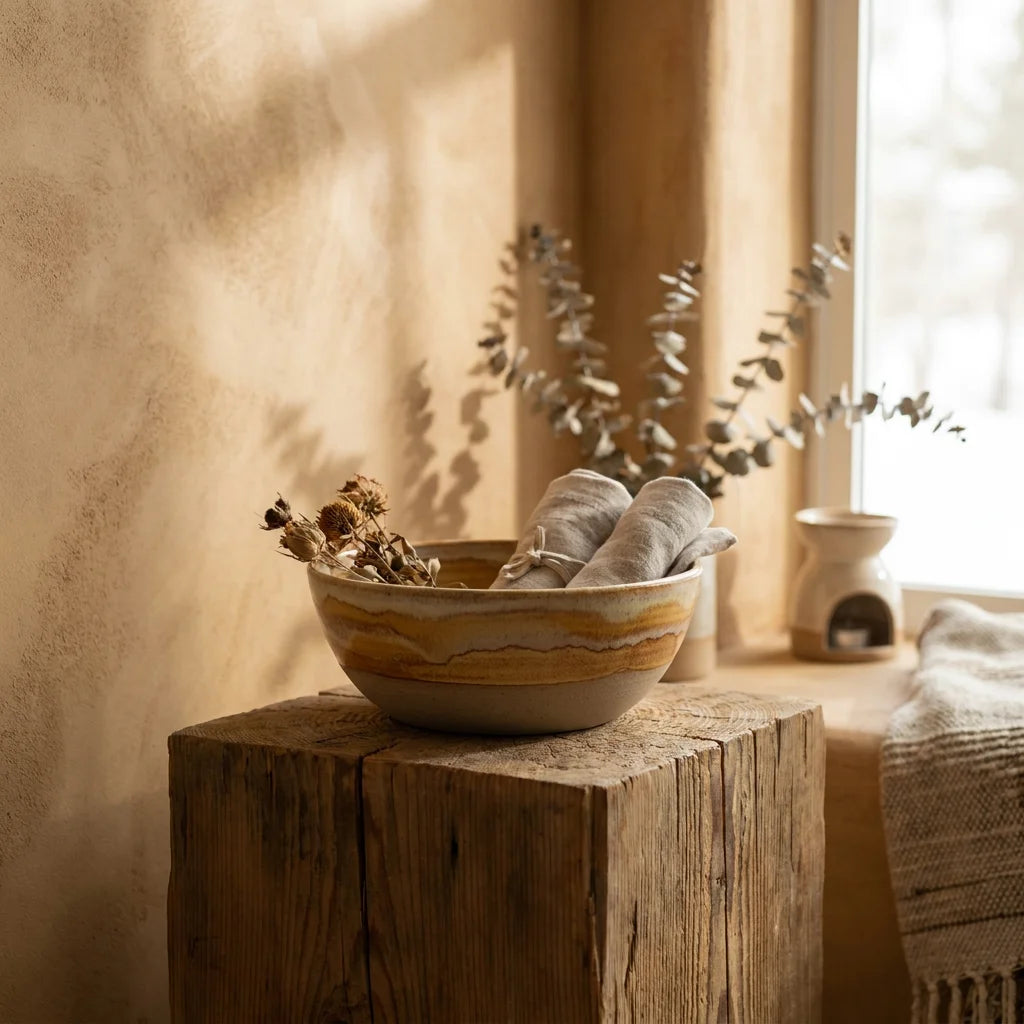

By the summer of 2026, the global design conversation has completely moved away from cold, industrial metal shelves and mass-produced laminated units. In our living areas, kitchens, and quiet studies, we are witnessing a profound architectural shift that leading curators are calling the Niche Curation Revolution. This movement is defined by the strategic introduction of deep recessed plaster niches and raw stone shelving into our home environments. In an era dominated by high-frequency digital screens and lightweight, temporary virtual content, surrounding ourselves with shelves that carry the physical and visual weight of geological time has become the supreme symbol of cozy luxury, architectural permanence, and sensory grounding.
This biological shift is an intentional, wellness-focused intervention. As we have explored in our previous brand studies on the warm-spectrum hues of Native Earth Colors, the organic silhouettes of Botanical Sculptures, the hand-applied textures of Raw Earth & Clay Plaster, and the tactile comforting of Sensory Fabrics, our homes are evolving into multi-sensory sanctuaries. Today, we turn our attention to the medium of display—and how raw stones and hand-applied plaster can filter, soften, and soothe our over-stimulated visual and neurological systems.
Section 1: The Psychology of Recessed Niches—The Nesting Instinct
In evolutionary psychology, our spatial preferences are deeply tied to our nesting and protective instincts. For millions of years, human shelter was defined by caves, alcoves, and deep stone recesses—spaces that offered physical protection (a solid back) while allowing us to monitor the environment from a secure vantage point. This is what architectural psychologists call "Prospect and Refuge" theory.
In 2026, the interior design landscape is utilizing this psychological baseline to reduce ambient anxiety. Homeowners are actively rejecting cold, open-plan, and highly exposed furniture layouts in favor of cozy, semi-enclosed alcoves and recessed niches. A hand-applied, textured plaster wall with deeply carved shelves provides a profound sense of "refuge." It cradles our curated objects, shielding them from the chaotic visual noise of the modern home. The niche behaves as a miniature sanctuary, giving each object a permanent, quiet harbor that calms our fight-or-flight response.
Section 2: Raw Stone Shelves—Filtering Light and Sound
At Borealforest, our design philosophy is centered around the concept of material truth, as outlined in our study on The New Artisanal Renaissance. Our unglazed, low-fired stoneware possesses an open, microscopic-porous cell structure. When combined with raw stone shelving, it creates an exceptional acoustic and optical environment:
- Micro-Acoustic Dampening: High-density geological materials like soapstone and limestone, paired with unglazed clay plaster, are highly efficient sound absorbers, as we detailed in our foundational study on Silent Sanctuaries. When sound waves hit these porous, mineral surfaces, they enter the microscopic channels of the stone and clay, where they are converted into thermal energy through viscous friction, lowering the ambient noise floor of the room.
- Diffuse Light Reflection: Unlike flat, satin, or gloss latex paints that produce specular reflection, unglazed clay plaster walls and coarse ceramic vessels behave as diffuse, non-reflective optical absorbers, as we explored in Sensorial Light. They absorb harsh glare, creating soft shadow gradients that further soothe our visual system, as detailed in our study on the circadian alignment of Modern Zen.
Section 3: Reclaiming Tactile Friction in Display Rituals
For the remote professional in 2026, the ultimate sensory deficit is the lack of physical friction. We swipe across flat, friction-free glass screens, tap on synthetic plastic keys, and sit at polished laminate desks. This frictionless existence has left our skin's mechanoreceptors dormant, leading to what neuroscientists call "tactile fatigue."
Our hands crave friction, resistance, and temperature variations. Low-fired, unglazed ceramic vessels and raw wood coffee tables are highly responsive thermal and tactile interfaces:
- Thermal Responsiveness: High-density materials like soapstone have a high natural thermal capacity. They absorb the ambient temperature of the room and, more importantly, the warmth of your hands. Holding a warm clay mug establishes a somatic feedback loop that grounds your nervous system, as detailed in The Living Stone.
- Frictional Grounding: Running your palm along the raw, unpolished live edge of a cedar table or the sand-grained grit of a clay wall provides a rich, irregular tactile feedback. Scent, touch, and low-frequency colors work in perfect harmony to soothe our over-stimulated minds, lowering cortisol levels and somatic tension, as explored in Warm Timber and the grounding properties of Terra-Cotta Healing.
Section 4: The Neuro-Aesthetics of Geological Materials
The sensory impact of geological stratum textures is supported by the emerging science of **Neuro-Aesthetics**—the study of how our brain processes and responds to aesthetic experiences. When we surround ourselves with raw, earth-rooted materials, our brain registers several positive changes:
- Cognitive Calming: Geological textures are inherently fractal—possessing self-similar patterns at different scales (from the macro-veins of rock to the micro-grains of sand). Neuroscientific studies show that processing fractal geometry requires less neural effort, allowing our brains to enter a relaxed, meditative state, as explored in Geological Stratum.
- Cortisol Suppression: Scent, touch, and low-frequency colors work in perfect harmony to soothe our over-stimulated minds, lowering cortisol levels and somatic tension naturally, as we explored in Olfactory Sanctuaries.
Section 5: Curating Your Recessed Plaster Niche
Integrating the plaster niche aesthetic into your modern, warm minimalist home is about creating a curated composition of contrasts—the hallmark of the modern **Curated Gallery** home:
1. The Plaster Niche Curation: Install a deeply recessed niche of heavily textured, hand-applied white lime plaster. Inside the niche, resting on a rough-edged dark soapstone shelf, place a Borealforest unglazed sand-colored ceramic pot. Soft natural window side light casting beautiful, long, delicate shadows on the plaster and stone creates a serene, peaceful, and warm minimalist, gallery-like atmosphere.
2. The Rust and Stone Tabletop: On a smooth, warm-grey stone surface sits a hand-signed unglazed Borealforest ceramic mug, resting next to a dry red-maple leaf on a rust-colored crumpled linen napkin. Soft, low-angle natural morning side light casting delicate, textured shadows on the stone and linen creates a beautiful, cozy visual depth.
3. The Scented Hearth: Gather a collection of raw terra-cotta incense dishes, unglazed ceramic bowls, and translucent alabaster candle holders on a low cedar coffee table. As you light the candles and incense in the evening, the translucent white stone glows from within, while the thin trail of incense smoke rises against the warm clay plaster wall, transforming the space into a living, slow-moving sundial of mindfulness.
Conclusion: Invest in the Antidote
In 2026, choosing raw, unpolished, earth-born materials and warm, low-saturation earth colors over mass-produced synthetic plastics and synthetic fragrances is a radical act of self-care. It is a decision to prioritize material truth, human artistry, and biological wellness in our daily lives.
We invite you to explore the Studio Archive of Borealforest today, find your perfect native earth color anchor, and bring the ancient, slow peace of the earth home.